Renting a home in the UK has changed a lot as we head into 2026. New laws, such as the Renters’ Rights Act, have been introduced to give tenants greater security and ensure that every rental property is a safe place to live. Because the rules have updated, it is more important than ever to know exactly what your landlord is supposed to do for you.
Whether it is fixing a broken heater or keeping the building safe, your landlord has specific legal responsibilities they must complete. This article covers everything from emergency repairs to your right to privacy, so you can feel confident that your home is being properly looked after.
1. Keeping the Home Safe and Functional
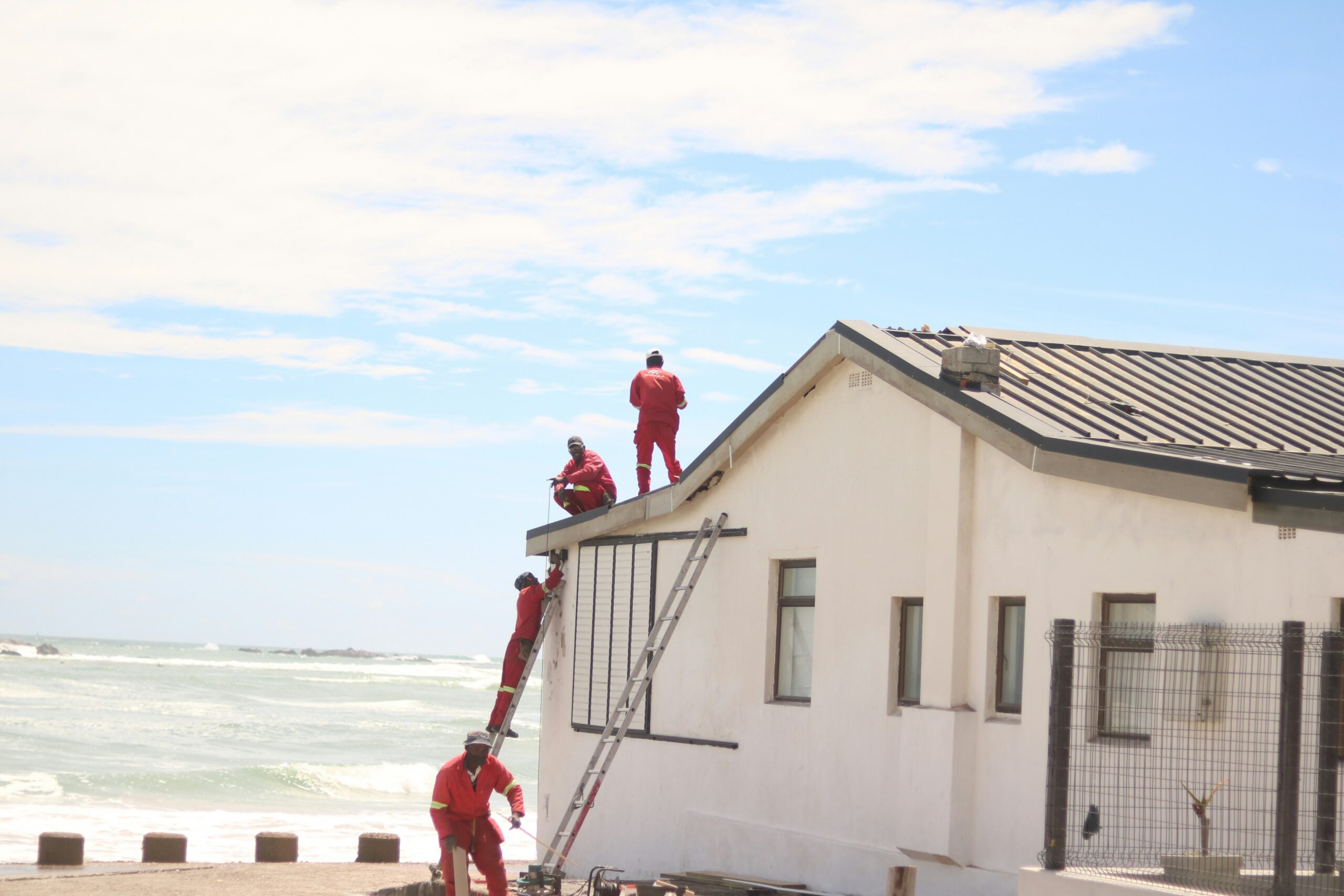
Your landlord is legally responsible for the “bones” of the property, which means they must ensure the entire building is structurally sound and that all essential services are in good working order. This duty includes maintaining the structure itself by repairing the roof, walls, windows, and any external doors to keep the home safe and weatherproof.
Beyond the building’s shell, they are also responsible for the reliable supply of water, gas, and electricity, which extends to fixing essential fixtures like basins, sinks, baths, and toilets. If your boiler breaks down, it is strictly the landlord’s job to arrange a repair. In 2026, there is a clear expectation that these heating and hot water issues will be handled with urgency, particularly during the cold winter months when a lack of warmth can become a safety concern.
2. New Protection Against Damp and Mould
One of the biggest changes in 2026 is the full rollout of Awaab’s Law to the private rental sector. Landlords can no longer simply tell you to “open a window” if you have a serious mould problem.
Under the strict new rules for 2026, landlords are now held to much tighter timelines when it comes to investigating reports of damp and mould. They are legally required to assess any reported issues within 10 working days to determine the cause and the extent of the problem. This ensures that environmental concerns are caught early before they can cause significant damage to the property or the tenant’s belongings.
If an investigation reveals that the mould poses a genuine risk to your health, the landlord must take rapid action by starting repairs within another five days. There are no longer any valid excuses for delaying these essential fixes or blaming the tenant’s lifestyle for structural issues.
Ultimately, every landlord is legally obligated to ensure that a home is fit for human habitation, meaning it must be a safe, dry, and healthy environment for anyone living there.
3. Vital Safety Certificates
To keep you safe from hazards like fire or gas leaks, your landlord must stay up to date with several vital safety checks and provide you with the correct paperwork. Every 12 months, a qualified engineer must inspect all gas appliances in the property to issue a valid Gas Safety Certificate. Similarly, the electrical wiring and fixed installations in the home must be professionally inspected at least once every five years to produce an Electrical Safety Report, also known as an EICR.
Beyond these technical inspections, there are strict rules regarding early warning systems throughout the property. Your landlord is legally required to ensure there is a working smoke alarm installed on every floor of the home. Furthermore, a carbon monoxide alarm must be present in any room that contains a fuel-burning appliance, such as a gas boiler, a coal fire, or a wood-burning stove. These devices must be in perfect working order on the day you move in to ensure your home meets modern safety standards.
4. Respecting Your Privacy (Right to Quiet Enjoyment)
Even though the landlord owns the property, it is your home. They cannot come and go whenever they please. Your privacy must be respected at all times. This means that unless there is a genuine emergency that requires immediate access, such as a fire or a major flood, your landlord is required to give you at least 24 hours’ notice before they visit.
Furthermore, these visits should only happen at a reasonable time of day rather than early in the morning or late at night. Your landlord must also have a valid, documented reason for requesting entry, such as performing a necessary repair or carrying out a pre-arranged safety inspection. This ensures you can enjoy your home peacefully without worrying about unexpected interruptions.
5. Fair Financial Treatment
The 2026 laws have introduced significant changes to make the financial side of renting much fairer and more transparent for tenants. One of the most important rules is that your landlord must place your security deposit into a government-approved protection scheme, such as the DPS or TDS, within 30 days of receiving it. This ensures your money is held safely and provides a clear process for getting it back when you move out.
To prevent unfair costs before you even move in, it is now illegal for a landlord or agent to encourage “rent bidding.” This means they are strictly prohibited from accepting an offer that is higher than the price they originally advertised for the property. Additionally, the rules surrounding your ongoing costs have become more stable, as rent can now only be increased once per year. Your landlord must follow a specific legal process to do this, giving you the right to challenge any hike that feels unfair or above the local market rate.
6. The Right to Pets and Families
Landlords have much less power to turn people away based on their lifestyle or family situation. For instance, you now have a legal right to request a pet, and a landlord cannot simply refuse without providing a very strong, written reason, such as a “head lease” rule that forbids animals in the entire building.
Furthermore, new anti-discrimination laws make it illegal for a landlord to use “no kids” or “no DSS” policies to block families or people on benefits from renting. Instead, every potential tenant must be treated fairly and judged only on their actual ability to pay the rent and look after the property.
Final Thoughts
The rental landscape in 2026 is designed to be much fairer, giving you more power and security in your home. By understanding these updated rules, you can make sure your landlord is doing their job and keeping your property safe. Remember that you are no longer just a “renter”—you are a protected tenant with a legal right to a home that is healthy, private, and fairly priced.
If you ever feel that your landlord is ignoring their duties, do not be afraid to speak up. With the end of “no-fault” evictions and the new protections for 2026, you can request repairs or challenge unfair treatment without the fear of losing your home. Taking control of your living situation is the best way to ensure that your rental property truly feels like home.