
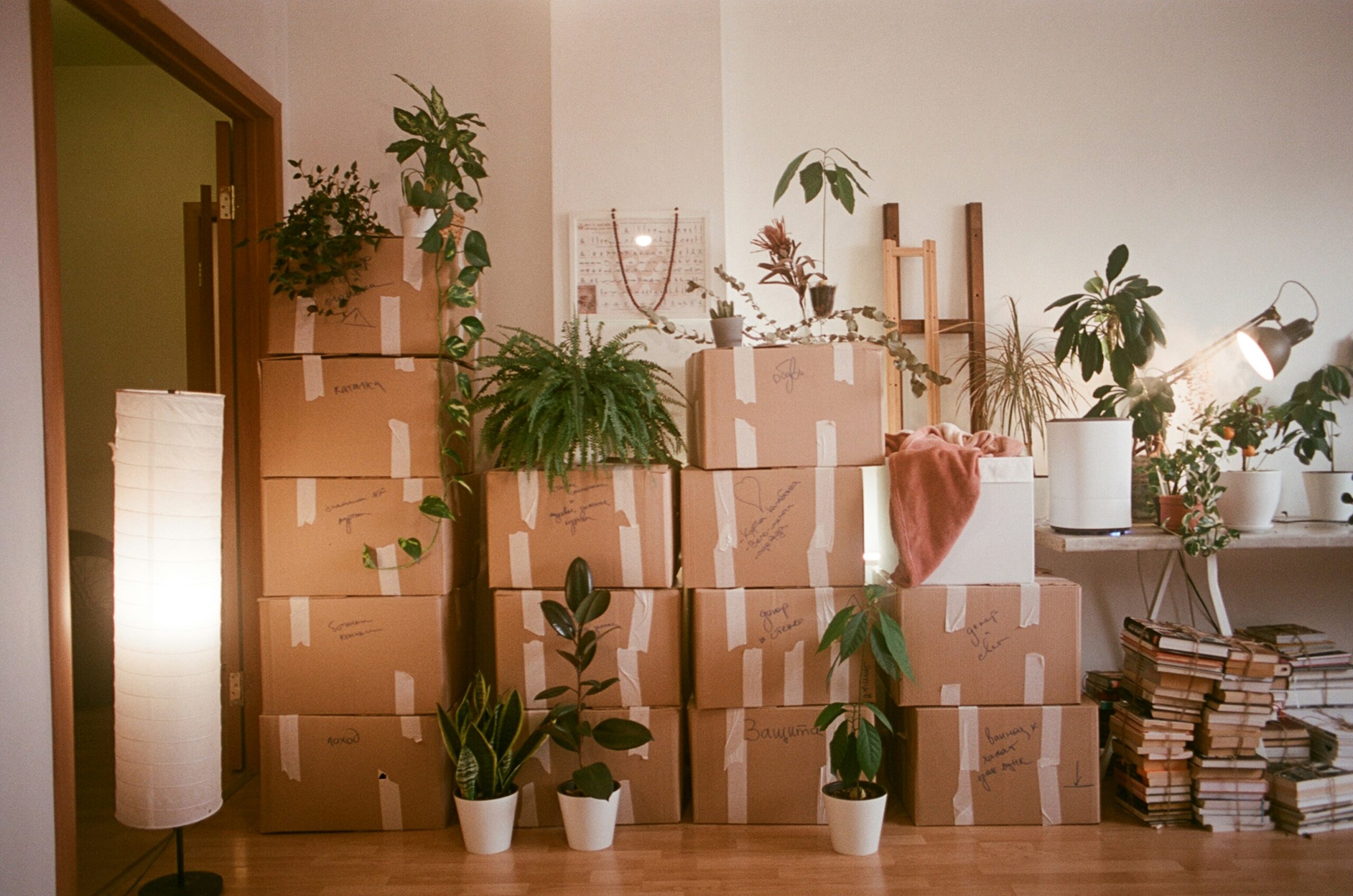
Moving out of a rental house can be stressful, but getting your security deposit back shouldn’t be. You are entitled to a full refund as long as the house is returned to its original state, minus the normal wear and tear that comes from living in that space.
The deposit is your money, and you have a right to get it back if you have taken good care of the property. By following a few simple steps and being careful with your cleaning and repairs, you can walk away with your deposit confidently and without any surprises.
First, let’s look at what security deposits actually cover and what they don’t.
What Can a Landlord Deduct from a Security Deposit?
Generally, landlords can deduct money when tenants break the rental agreement or to cover damages. However, they cannot charge you for normal wear and tear.
But what is normal wear and tear? While there is no single legal definition, you can think of it as the minor changes that happen naturally over time.
For example, the metal finish on your bathroom faucets might start to look worn or dull from regular use. It is also common for the space between tiles to get a bit dirty, or for curtains and carpets to fade because of the sunlight. Additionally, you might notice a few minor nicks or small marks on the walls and doors from living in the space every day.
Landlords are most likely to withhold your deposit if the property needs professional cleaning, repairs, or redecoration to restore it to its original state.
So, before you start packing your boxes, take a moment to learn some important tips to help make your move-out much easier and less stressful.
Review your Lease before Moving Out
You should read your lease carefully before you start moving. This document explains the rules you need to follow and how the landlord expects you to treat the property. It also includes the required notice period, which is usually 30 to 60 days.
Some lease agreements have very specific cleaning rules. For example, they might require you to have the carpets professionally cleaned or ask you to defrost and wipe out the fridge and freezer.
So, knowing the rules early gives you plenty of time to meet them. By following the instructions exactly, you avoid giving the landlord a reason to keep any of your money for extra repairs or cleaning.
Keep the records
Many landlords provide an inspection sheet when you first move in that describes the condition of the house. Your goal is to leave the property looking just as good as it did on that original sheet.
Once your furniture is moved out, walk through every room to look for any new damage. If you find problems you cannot fix, tell your landlord immediately.
Note: Take your own photos of the empty house to have a personal record of its original condition. These records make it much easier to prove that you deserve a full refund.
The deep clean for a full refund
One of the most common reasons landlords deduct from deposits is the cleaning costs. They often hire professional cleaners and take that cost out of your deposit if the house isn’t perfectly clean. To avoid this, you should focus on a thorough cleaning of the entire property before you hand over the keys.
You can achieve that by following these steps:
- Target the kitchen: Clean the inside of the oven, the back of the refrigerator, and the interior of all cabinets and drawers.
- Focus on the bathroom: Scrub the shower and tub to remove soap scum and ensure the toilet and sink are sparkling.
- Check the details: Wipe down windows from top to bottom, dust the doors, and clean any mirrors or glass surfaces.
- Finish the floors: Vacuum every carpeted area and mop hard floors until they are free of dust and footprints.
- Meet the original standard: If you leave the unit as clean as it was when you first moved in, your landlord will have no reason to charge you for a cleaning service.
Fix any damages
If you have caused any damage to the house while living there, you should fix it yourself before you move out. Taking care of those repairs is much cheaper than letting your landlord hire expensive professionals and take that money out of your deposit.
Here are a few common things you should check and repair:
- Patch the walls: If you hung pictures or shelves, use a little bit of filler to seal the nail holes. Once it is dry, sand the spot lightly so the wall looks smooth again.
- Fix scuff marks: Look for marks on the walls from moving furniture. Most of these will come off with a damp cloth or a cleaning sponge, but you may need a tiny bit of matching paint for deep scuffs.
- Replace lightbulbs: Check every light in the house to make sure the bulbs work. It is much cheaper to buy a bulb yourself than to have your landlord charge you a high fee to replace it.
- Repair small items: Look for minor issues like loose cabinet handles or wobbly towel racks. Often, you just need to tighten a few screws to make the home look well-cared for.
Request a Move-Out Walkthrough.
A move-out walkthrough is your best chance to identify issues before you hand over the keys. By being there in person, you can fix last-minute problems on the spot or explain certain wear and tear. Many tenants skip this and regret it when they see unexpected charges later.
Also, always ask your landlord to sign a final inventory or “check-out” sheet to ensure you are both on the same page.
Don’t Leave Anything Behind
Leaving personal items behind is one of the most common reasons for disagreements over security deposits. You should never leave a pile of unwanted items or “junk” in the house.
If you do, your landlord will likely hire a trash removal service and charge the cost to your security deposit. To avoid this unnecessary expense, you should take the time to remove every single personal item from the property before you leave for good.
Return the Keys Properly
Every landlord has different rules for returning keys, and some are much stricter than others. It is important not to take a key with you by mistake when you leave. If a key is missing, your landlord might charge you for a replacement or even for the cost of changing all the locks.
To avoid losing part of your deposit for such a simple mistake, make sure you hand over all sets of keys exactly when and where the landlord asks.
Final thoughts
Most landlords are fair and want to return your full security deposit. By following these important tips, you will have the necessary information to protect your rights and recover your money effortlessly.
In the end, putting in a little extra effort during your last few days in the house can save you hundreds of pounds. It also helps you move into your next house with peace of mind.